

Her fields of interest include Asian languages and literature, Japanese translation, cooking, natural sciences, sex positivity, and mental health. In particular, she’s committed to helping decrease stigma around mental health issues. These blues usually don’t linger, though, so you’ll probably feel better in a day or so. If you begin to notice any unwanted side effects — physical or emotional — while drinking, it may be best to call it a night. Spending time in nature can also have health benefits, including improving your mood.
Alcohol also excites moods, enhancing chemicals whose withdrawal is not easily stabilized by the brain, hence feeling depressed or uncomfortable. This is valid because several people develop a bad mood when they take alcohol due to chemical changes in their heads, as well as physiological impairments of a hangover. More frequent or violent (after drinking) depression may be a warning signal of a more serious malady. Not all people experience the same level of mood changes, but the changes can be severe in some people. The abnormal depression experienced upon drinking can extend more than twenty-four hours, causing hopelessness or depression and even suicidal thoughts. It can get worse over time, especially when combined with regular or heavy alcohol use.
#2: Sleep Disturbances
UKAT aspires to deliver the highest quality care across all our centres and clinics. Our commitment to quality includes the information we publish on our website. Plus, if you aren’t happy with your therapist, they make switching easy – something I was unable to do without a lot of time and research with in-person therapists.
A Homeowner’s Guide to Eco-Friendly Outdoor Care
Extended periods of sadness can lead to classifiable depression. Drinking usually puts us in a different or altered state of mind. We might choose to drink to celebrate or commiserate over the night, and the way we feel before and after our drink can be unpredictable. That “after a night out drinking” blues, also known does drinking make your depression worse as hangxiety, is something many people experience. But in the long term, we’re actually increasing our stress levels.
Member Testimonial: David’s Story of Recovery
Talk to a trusted friend, family member, or mental health professional about your concerns. Seeking professional help can provide you with the tools and resources needed to address underlying issues and develop healthier coping strategies. Individual differences, such as genetics, mental health history, and coping mechanisms, can influence how alcohol affects mood.
Limit Alcohol Consumption
They were likely already living with depression before the development of an alcohol use disorder. The connection between alcohol and depression is complex and bidirectional. Drinking too much alcohol can bring on depressive symptoms, and people with depression often turn to alcohol to find relief.

How alcohol can make depression symptoms worse
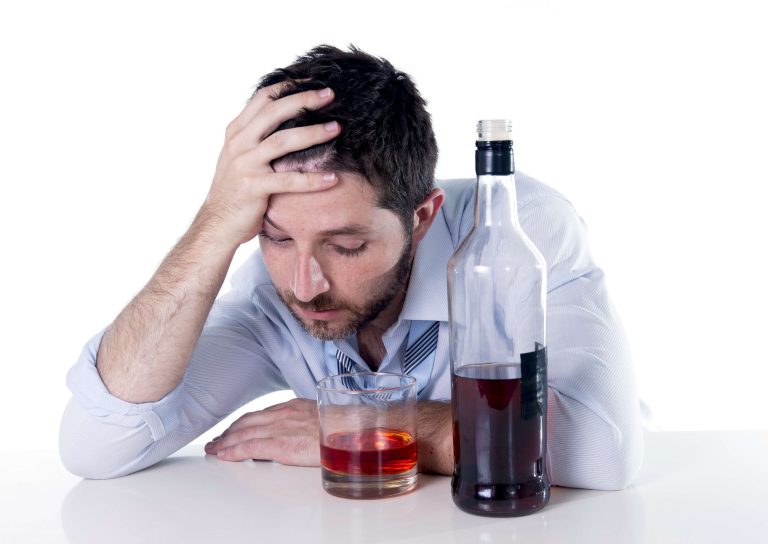
Below, we’ll cover the reasons why, and what you can do to take care of yourself if you suffer from either or both conditions. Ria Health offers several FDA-approved medications for alcohol use disorder. When combined with counseling, this approach is proven highly effective. Excessive drinking has numerous impacts on your body and mind, ranging from mild to severe. Learn which signs to look out for, and how to care for your well-being. Medications like antidepressants have also proven effective in treating depression concurrent with alcoholism.
Alcohol and Cancer Risk
- While alcohol might provide temporary relaxation and happiness, its aftermath can often take us on an unwanted emotional rollercoaster.
- Since the relief doesn’t last long, you may find yourself chasing that relaxed feeling and end up with alcohol dependency.
- There are many factors to consider, such as genetics, how much you drank and for how long, the extent of damage, and pre-existing mental health problems.
- Sometimes, we even notice that we’re moodier in our day-to-day lives.
For someone with depression, this can exacerbate feelings of guilt, shame, and self-loathing. Excessive alcohol drinking can also cause problems socially, such as issues with family, school, employment, and friends. This could have a carryover effect on depression since loneliness and lack of social support are linked to depression. Another way that depression could lead someone to drink alcohol is through changes in their brain as a result of depression. These changes can heighten the physiological “rewards” of alcohol and increase the likelihood that they will continue their pattern of drinking.
There is a lot that we still need to understand about the link between alcohol and depression, and this is an emerging area of research. Existing research indicates that depression can cause alcohol overuse, and alcohol overuse can cause depression. On the other hand, both conditions also share certain risk factors, such as genetics and social isolation. Having either depression or Sober living home alcohol use disorder increases your risk of developing the other condition. People usually binge drink to get drunk, to have fun or to numb their emotions.
- So when that meed goes unmet, behavior, mood, and emotional stability all tank.
- If you feel depressed after drinking heavily, prioritize physical recovery by hydrating, eating nutrient-dense food, and allowing your body adequate time to rest.
- Sometimes, alcohol can make you feel even worse than you did before.
- Because of this shared connection, treatment for both should include a diet to improve gut function and reduce endotoxin load that contributes to neuroinflammation.
- It is common for people to require separate treatment for depression and alcohol abuse.
Poor sleep contributes to fatigue and, in turn, to the hangover blues in the morning. A glass of water and a light snack can help you avoid a bad hangover. According to the National Institute on Alcohol Abuse and Alcoholism, moderate drinking means one drink per day for women and two drinks per day for men.
How To Deal With Loved Ones Who Don’t Support Your Sobriety
- Often when people talk about feeling depressed after giving up alcohol, they are referring to this.
- Alcohol lowers serotonin and dopamine levels—neurotransmitters that regulate mood—and disrupts sleep cycles, which increases irritability and emotional instability the next day.
- More frequent or violent (after drinking) depression may be a warning signal of a more serious malady.
- If an emergency arose and you could no longer stay and enjoy Thanksgiving dinner, your dopamine levels would drop and take your mood along with it.
Poor sleep increases fatigue and emotional instability, making you more likely to experience alcohol-induced depression the next day. However, if you continue to exhibit alcoholism after your depressive symptoms go away, you may need alcohol addiction treatment. A night of drinking is probably not enough to make you feel depressed.