


The liabilities and assets will be equal, however, the creditor’s value would not be. From the equation of accounting, we may evaluate that the normal balance would be on the side of credit. An asset is anything a company owns that holds monetary value. This means that when you increase an asset account, you make a debit entry. For instance, when a business buys a piece of equipment, it would debit the Equipment account. One of the fundamental principles in accounting is the concept of a ‘Normal Balance‘.
- Since liabilities, equity , and revenues increase with a credit, their “normal” balance is a credit.
- Normal balance refers to the expected side or category where an account balance should appear.
- Equity, calculated as the residual interest in the assets of an entity after deducting liabilities.
- While simple, the T-Account is an invaluable tool for understanding how transactions flow into and out of specific accounts, allowing us to track their balances.
- It’s essentially what’s left over when you subtract liabilities from assets.
- The total credits for this journal entry add up to $200, and the total debits add up to $200 ($150 + $50), making this a valid journal entry with multiple debits and credits.
Normal Balances of Accounts Chart

For instance, when transactions boost accounts receivable, it’s marked as a debit. This rigorous verification process, powered by the normal balance rules, serves as the ultimate prelude to understanding the foundational principles of debits and credits. While simply balancing debits and credits is vital, the true power of the Trial Balance as an error-detection mechanism is unleashed when coupled with a firm understanding of Normal Balances. Every account type (Assets, Liabilities, Equity, Revenue, Expenses) has a “normal” balance side – either a debit or a credit.
What Is a Contra Account?
- You’ll also learn about practical applications and the importance of maintaining accurate records.
- Ed’s inventory would have an ending debit balance of $38,000.
- They too have a credit balance, showing long-term financial benefits.
- On the other hand, expense accounts carry debit normal balances because they reflect costs or expenses incurred by the business.
- Assets represent economic resources owned by a business that are expected to provide future economic benefits.
In the world of business, understanding how money moves is central to success. Accounting provides a structured way to track every dollar earned, spent, or owed. Revenue accounts, which reflect the income generated from business activities, have a normal credit balance because they increase equity. When a business earns revenue, such as from sales of goods or services, the corresponding what is the normal balance for expenses? revenue account is credited. This credit entry increases the overall equity of the business. Employees provide expense reimbursements that would be considered liabilities rather than reductions in expenses.
- Learn how this principle governs financial transactions, especially for expenses, ensuring accurate reporting.
- An increase in expenses and losses will cause a decrease in cash flow from operations because more cash is going out than coming in.
- Expenses are costs incurred by a business in the process of generating revenue.
- Debit Balance Assets accounts are increased by their Debit entries & decreased by their Credit entries.
- A contra account is an account that is paired with another account.
- Conversely, crediting an asset or expense account, or debiting a liability, equity, or revenue account, decreases its balance.
Permanent and Temporary Accounts

A liability is an obligation to pay based on whatever terms were decided between the company and How to Invoice as a Freelancer the lender. The florist shop purchases a delivery van for use in delivering flowers to customers. It purchased the van for a cash down payment of $5,000 and took out a loan for $15,000.
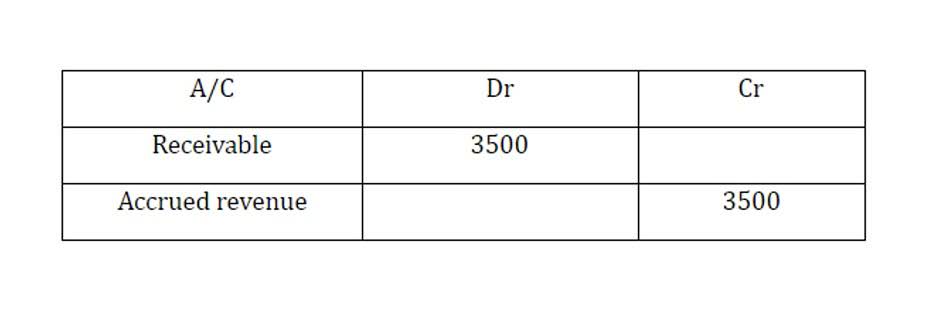
The Direct Impact on Owner’s Equity
Conversely, a decrease in an asset, like paying for equipment, is recorded as a credit. For example, receiving cash increases an asset account with a debit. The source account, the account where the money for the transaction is coming from, is generally credited on the right-hand side. The destination account, where the money for the transaction is going, is debited on the left-hand side. Profit it earns—that is, the growth or decline in its stock of assets from all sources other than contributions or withdrawals of funds by owners and creditors. Net income is the accountant’s term for the amount of profit that is reported for a particular time period.

BAR CPA Practice Questions: Proprietary Funds Statement of Revenues, Expenses and Fund Balances
Imagine reviewing a Trial Balance and seeing an Expense Account with a Credit balance. Similarly, https://www.upscalejourney.com/note-receivable-definition-explanation-journal/ an asset account showing a credit balance would be highly unusual and point directly to an error. This rapid error identification saves considerable time and effort in the auditing process.
- Furthermore, if you’re audited, having well-documented, precise records can quickly resolve any issues.
- As mentioned, normal balances can either be credit or debit balances, depending on the account type.
- Debits and credits are terms used by bookkeepers and accountants when recording transactions in the accounting records.
- Each payment made is an expenditure captured, leaving digital footprints across your ledger, shaping your fiscal story one expense at a time.
- Since liabilities, equity (such as common stock), and revenues increase with a credit, their “normal” balance is a credit.
- This error must be corrected so that the financial statements are accurate.
- Credits increase liability, equity, and revenue accounts, while simultaneously decreasing asset and expense accounts.
Whenever cash is paid out, the Cash account is credited (and another account is debited). Conversely, if you’re paying a supplier, you’d increase your accounts payable, also a credit balance account, by crediting it. So, if you’re looking to maintain a healthy financial status for your company, understanding and managing your ledger accounts is key. They’re not just a record of transactions, but a tool to analyze and drive your financial decisions.
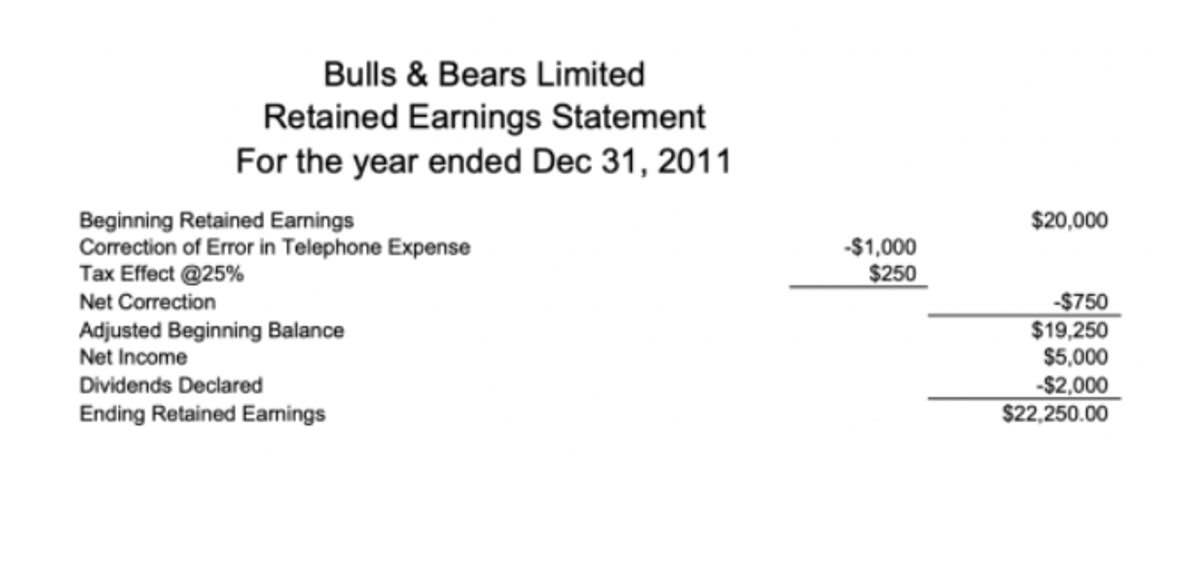
Under the accrual basis of accounting the account Supplies Expense reports the amount of supplies that were used during the time interval indicated in the heading of the income statement. Supplies that are on hand (unused) at the balance sheet date are reported in the current asset account Supplies or Supplies on Hand. That part of the accounting system which contains the balance sheet and income statement accounts used for recording transactions.
AccountingTools
The accumulated depreciation account appears on the balance sheet and reduces the gross amount of fixed assets. Accounts that normally maintain a positive balance typically receive debits. This a visual aid that represents an account in the general ledger.